
Odoo ERP for Esports: Building the Operational Engine for the Next FIFA World Cup in North America
Introduction
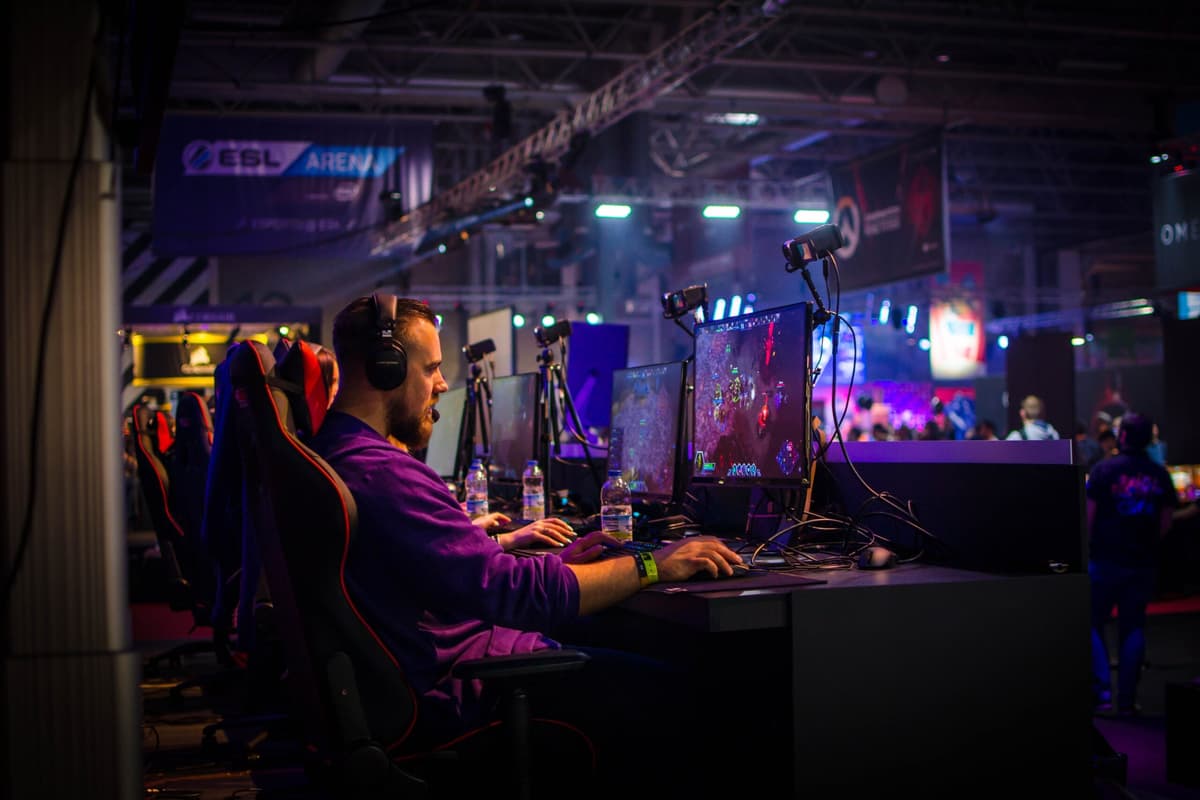
Esports today is no longer a niche pastime — it is a global industry that behaves like any major sport: massive audiences, complicated logistics, sponsorship money, merchandise flows, and a constant need for tight operational control.
As the FIFA ecosystem expands its commitment to competitive gaming and prepares to stage major football and esports activities around the 2026 World Cup in North America, organizers, teams, and rights-holders need software that can handle commerce, people, finance, inventory, and fans — all from a single place. That’s where Odoo ERP steps in: a modular, open-source business platform that can become the operational backbone for esports organizations and global events.
Why an ERP matters for esports
Regardless of whether you are running an esports league, a stadium event, or a global qualifying circuit, the end result is a project consisting of vast moving parts. You have players and teams, travel and accommodation, venue inventory, event merchandise, sponsor activation timelines, ticketing partners, finance and compliance, and you have customer support for millions of fans consuming the experience from every corner. Without a unified system you end up with fractured spreadsheets, missed invoices, and poor fan experiences — problems that scale badly when an event is continental in scope.
An ERP brings those functions together. Odoo offers integrated modules for CRM, e-commerce, inventory, accounting, point of sale, and project management — so data flows from fan purchases to stock levels to financial reporting without repeated manual entry. That provenance matters when millions of fans tune into a tournament that sits alongside the FIFA World Cup calendar: you need fast, auditable answers.
Practical use cases: from grassroots tournaments to FIFA-scale events

- Tournament and team management: Make use of Odoo’s CRM and project applications to coordinate team registrations, qualification pipelines, match schedules, and accreditation. Connect player contracts and travel itineraries to the same database that processes payments and invoicing so teams and agents receive accurate timely settlements.
- Merchandise and retail operations: Utilize Odoo’s inventory management and point-of-sale capabilities to sell registered intellectual property merchandise at stadiums and fan zones concurrently through eCommerce, enabling real-time inventory synchronization. This will help reduce the likelihood of stockouts in event merchandise locations and enable event merchandise teams to plan replenishment for the next venue. For licensed FIFA or esports merchandise, integrated accounting capabilities help accurately record
- Sponsorship and partner activation: Sponsorship agreements often have deliverables in more than one tier (in-game branding, booths on site, hospitality packages). Odoo will track the deliverables as a project, invoice the milestones as specified, and assess sponsor key performance indicators (KPIs) against actual audience and sales data to provide sponsors transparent ROI reporting.
- Finance and compliance at scale: Events spanning the U.S., Canada, and Mexico require multi-jurisdiction tax and accounting control. Odoo’s accounting module supports multi-company and multi-currency workflows, enabling organizers to produce consolidated financial statements and comply with local tax rules during a multi-city World Cup period.
A good sign that this approach works: Odoo is already used by major tournament operators and organizations in the competitive-gaming space, showing the platform’s viability for high-volume events.
How Odoo supports fan experience and monetization

Today, esports revenue is derived from various revenue streams: advertising, sponsorships, media rights, ticketing and merchandise. Odoo’s e-commerce and subscription capabilities allow organizers to access pre-sales, VIP packages and membership programs to maintain CRM records for targeted marketing campaigns.
Combining live ticket-sales information with inventory and financials allows organizers to analyze demand, create dynamic allocations across venues and protect high-value sponsor inventory, especially during spike periods of interest such as the FIFA World Cup. (See market growth data below to understand the scale of the opportunity.
Data and analytics: turning activity into strategy
Operational systems only provide value if there are insights. Odoo’s reports and dashboards allow event organizers to measure the marketing campaign conversion into ticket sales, measure merchandise sell-through rates at different venue locations, and settle payouts to teams and vendors quickly.
When the event experience reaches FIFA level and has a simultaneous live audience and a streaming audience, combining metrics on streaming and e-commerce signals provides organizers a unified view of fan engagement and monetization.
Why Odoo is a fit for the FIFA World Cup esports moment
FIFA has expressed a multi-year commitment to the building of its esports ecosystem, with major events and partnerships that put football and competitive gaming into a closer alliance. With the 2026 World Cup slated to take place in the U.S., Canada, and Mexico, the region serves as a natural stage for esports showcases and qualifying events to support this initiative — shows and events which require flexible operations software that can support volume, regulatory complexity, and global partners.
Odoo’s modular model enables the organizer to start small — for example, in ticketing and merchandising — and add payroll, HR, and advanced analytics as the event responsibilities grow.
Implementation tips for esports organizations

- Map the core processes first: Before configuring any module, list the high-value flows (ticketing → accounting, sponsor invoicing → delivery tracking, merchandise stock → POS).
- Choose integrations wisely: Streaming and broadcast metrics, ticketing platforms, and payment gateways should sync with Odoo to avoid duplicate systems.
- Plan for workforce peaks: Large tournaments create short, intense spikes in staffing and transaction volume. Use Odoo’s scheduling and temporary user models to scale support without overpaying during quiet months.
- Protect fan data: Follow local privacy laws in each host country; make sure CRM and fan databases have clear retention and consent controls.
The business case: efficiency, visibility, and growth
The future of esports is expected to be quite bright over the next ten years, as various market reports indicate strong CAGR in all areas and monetization through sponsorship, media and retail are on the rise.
Investing in an ERP to centralize your operation, you can avoid expensive errors in your business and will be able to make real-time decisions during high-pressure scenarios on your event day, while giving your event organizers the option of innovating to monetize a new dimension of the player experience — be it the secret VIP experience, cross-platform merchandise drops or geo-targeted sponsor activations during the World Cup period — there’s a new world of monetization available to esports organizers.
Odoo’s lower total cost of ownership and modular scalability, mid-market esports companies and tournament operators can modernize without large upfront costs.
Final Words
The convergence of global football events and esports presents both challenges as an operational challenge – and an opportunity. The groups that win will be those that are able to navigate the complexity without losing the fan experience. Odoo ERP is not a magic bullet, but it does provide a single place with all commerce, people, finances and logistics.
For esports organizers who are ready to serve a meaningful role surrounding the North American 2026 World Cup, an integrated ERP like Odoo could play an important role in the picture – it provides that warm chaotic haze that comes with an event, to planned, coordinated action, and turns those energetic moments with fans into long term relationships.